

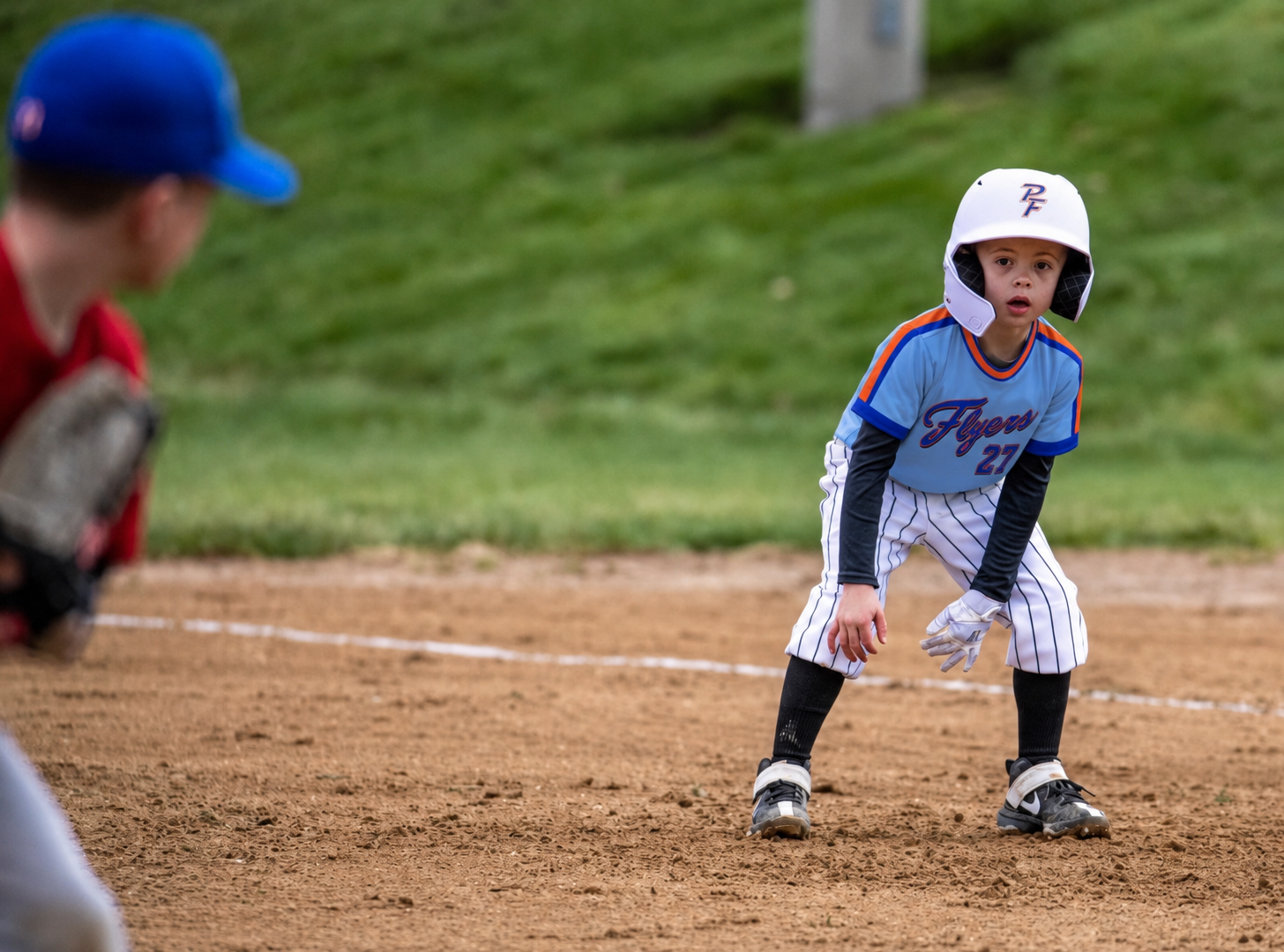
Base running best practices
Always know where the ball is.
Only rely on base coaches when the base runner can’t see the ball.
Always know where the defense is positioned before you take your lead.
Always be aware of unprotected bases.
Be aggressive and smart on balls in the dirt, overthrows, dropped relays, no backups…Always look for ways to advance.
Never make the first or third out at 3B.
Never make the first out at home.
Never allow the defense to make a faster force out by running into a tag. Make them throw to the base, or get into a run down.
Runner on first should never get doubled up on line drives to shortstop or third base.
Base runners at first should always get as much as they can get to get back safely on balls in the air.
With no outs, base runners at second should look to tag up on balls hit to the outfield that would allow them to reach third safely. Typically, these are balls hit to the left field deep corner, right center with the center fielder going away from the infield to make the play, or balls hit to right field that don’t allow the fielder to come through the ball to make a strong throw to third.
With one out, base runners at second should always get as much as they can get to get back safely on balls in the air.
Runner on third should never get doubled up on line drives.
Runner on third should always tag on a ball in the air (line drives and fly balls).
At all bases, always tag up on balls in foul territory. If the location where the ball is caught allows the runner to tag up and advance safely, the base runner should be looking to advance on caught balls in foul territory.
With less than two outs, runner on third must know they will score if they attempt to go home on a passed ball, wild pitch, or ground ball in the infield.
With two outs, runner on third should be aggressive (not crazy) on a passed ball, wild pitch, or ground ball in the infield.
3 balls, 2 strikes, 2 outs, in a force out situation, make sure the pitcher goes home first, and then runners advance hard.
Watch for back picks from pitchouts on bunt defenses.
Do not get fooled by third to first pickoffs.
When at first base with a LHP, take a bigger lead, and on pitcher’s first move lean back to first to anticipate the pickoff.
Keep turns tight around the bases. Be direct, and do not increase the distance with wide or lazy turns.
When getting primary leads, open up stance slightly to the next base.
Taking primary lead at first: left, right, shuffle.
Taking primary lead at second: left, right, shuffle, shuffle.
Taking primary lead at third: left, right, shuffle.
Secondary leads at first should be one quick shuffle.
Secondary leads at second should be two quick shuffles.
Secondary lead at third should be getting turned toward home with two quick short steps to get momentum going home in anticipation of scoring.
No action on the pitch, base runners should return quickly to the base in anticipation of back picks.
Stay on the bag until you know where the ball is. Do not get caught by a hidden ball trick or follow up tag because you step off the base when you don’t know where the ball is.
Hitters must get out of the way on plays at the plate.
Hitters must hold the box and take no steps to interfere with the catcher on throws to bases.
Base runners do not have to avoid defensive players that are obstructing the base path and not making a play on the ball.
Base runners must never go out of their way to make contact with the defense.
Base runners cannot interfere with the fielder’s ability to make an initial play on the ball.
If a base runner is hit with a batted ball while in fair territory before a fielder has touched the ball that base runner is out.
Base runners must make their best effort to avoid contact with a defensive player, or slide directly into the bag. If contact is made by a sliding base runner that is not malicious contact. If contact is made and a slide is not attempted that is malicious contact.
A base runner cannot run out of the baseline to avoid contact with a player in control of the ball attempting to make a tag.
If a base runner makes contact with a defensive player without the ball, the base runner will be awarded the base they were attempting to advance to.
If a base runner alters their path in any way to make contact with a defensive player without the ball, the base runner will be called out.
If batter runs to first in fair territory and the umpire makes the determination that base runner interfered with the throw, the base runner will be called out.
If batter is on the foul territory side of the line while running to first and is hit by a thrown ball or prevents the fielder from catching a thrown ball, the batter will not be called out for interference because they were in the runners lane.
If a base runner advancing to second, third, or home is hit by a thrown ball or prevents the fielder from catching a thrown ball, the will not be called out for interference unless they purposely changed their path to be hit by the ball.
Base runners must never make contact with a defensive player attempting to make an initial play on the ball. It does not matter if that player is standing in the baseline or even on the base. The defense must be allowed the ability to make an initial play on the ball without interference.
If a defensive player that is not making an initial play on the ball is contacted by the base runner (without malicious intent), the base runner will be called safe at the base they were advancing to or could have advanced to without obstruction as long as the base runner advances. If the base runner chooses not to advance, they likely will not be awarded the next base, and will be safe at the base they returned to.
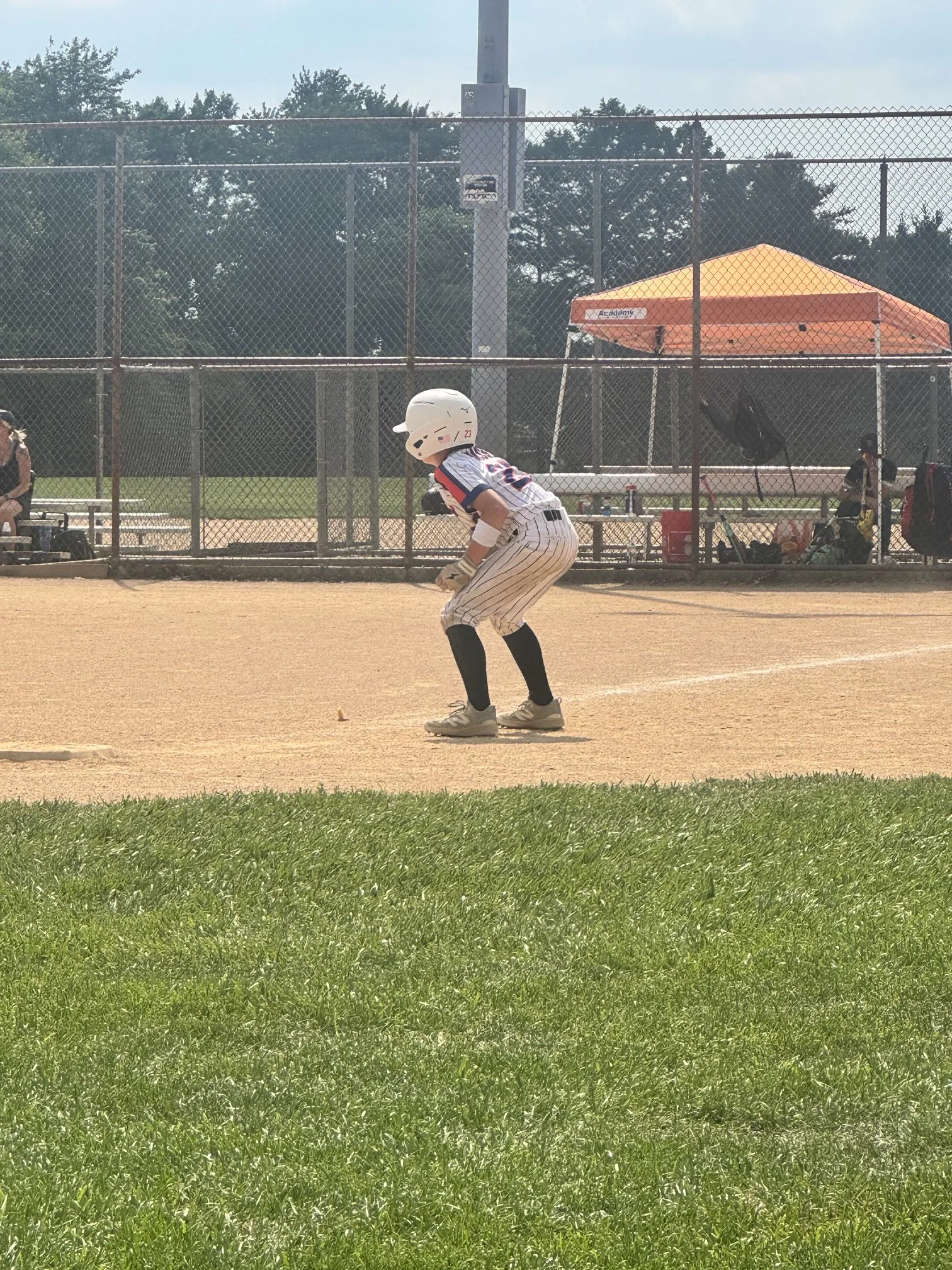
Questions to ask yourself
Before taking your lead off of a base what should you do?
When should you rely on base coaches?
Give examples of times that you would look to advance to another base.
In non force out situations, never make the first or third out at which base?
In non force out situations, never make the first out at which base?
With no outs, base runners at second should do what when a fly ball is hit to the left field deep corner, right center with the center fielder going away from the infield to make the play, or balls hit to right field that don’t allow the fielder to come through the ball to make a strong throw to third?
Why do you want to tag up in the situations described in question 6?
With one out, base runners at second should always do what when the ball is hit in the air?
Why don’t you want to tag up in the situation described in question 8?
Why should it be very difficult for a runner on third to get doubled up on line drives?
Runner on third should always do what on a ball in the air (line drives, fly balls and pop ups)?
At all bases, what should you do on balls hit in the air in foul territory?
With less than two outs, when would runner on third attempt to score?
When should a runner on third not be aggressive and when should they be aggressive?
What are you making sure happens before you advance with 3 balls, 2 strikes, 2 outs, in a force out situation?
What should you be aware of in a bunt situation if there is a pitchout or the batter turns to bunt but does not make contact?
If you’re the base runner at first, why do you want to be cautious when stealing when there is a runner on first and third?
What do you do when you’re on first base, there is a left hander on the mound, and you are not stealing?
What do you do when you’re on first base, there is a left hander on the mound, and you are stealing?
Should your turns around bases be tight or wide?
When getting primary leads, how should your stance be described?
Describe your primary lead at first base.
Describe your primary lead at second base.
Describe your primary lead at third base.
Describe your secondary lead at first base.
Describe your secondary lead at second base.
Describe your secondary lead at third base.
In anticipation of back picks, if there is no action on the pitch, how should base runners proceed back to the base?
How can you ensure you do not get caught by a hidden ball trick or follow-up tag?
If there is a play at the plate, what should the hitter do?
How can a hitter ensure he does not interfere with the catcher on throws to bases?
Does a base runner have to avoid defensive players that are obstructing the base path while not making the initial play on the ball?
Should a base runner ever go out of their way to make contact with the defense?
When can a base runner not interfere with a fielder’s ability to make a play on the ball?
If a base runner is hit with a batted ball while in fair territory before a fielder has touched the ball, are they out?
How can a base runner make the best effort to avoid contact with a defensive player when approaching a base so that it is not malicious contact?
Can a base runner run out of the baseline to avoid contact with a player in control of the ball attempting to make a tag?
If a base runner makes contact with a defensive player without the ball, will the base runner be awarded the base they were attempting to advance to?
If a base runner alters their path in any way to make contact with a defensive player without the ball, will the base runner will be called out?
If batter runs to first in fair territory and the umpire makes the determination that base runner interfered with the throw, will the base runner be called out?
If batter is on the foul territory side of the line while running to first and is hit by a thrown ball or prevents the fielder from catching a thrown ball, will the batter be called out for interference if they were in the runners lane?
If a base runner advancing to second, third, or home is hit by a thrown ball or prevents the fielder from catching a thrown ball, will he be called out for interference if he did not purposely change his path to be hit by the ball?
If a defensive player that is not making an initial play on the ball is contacted by the base runner (without malicious intent), will the base runner be called safe?
If a defensive player that is making an initial play on the ball is contacted by the base runner (without malicious intent), will the base runner be called safe?